From SPL tokens to LLM tokens: how Crypto led me to AI
When I first stepped into crypto, it wasn’t about hype.
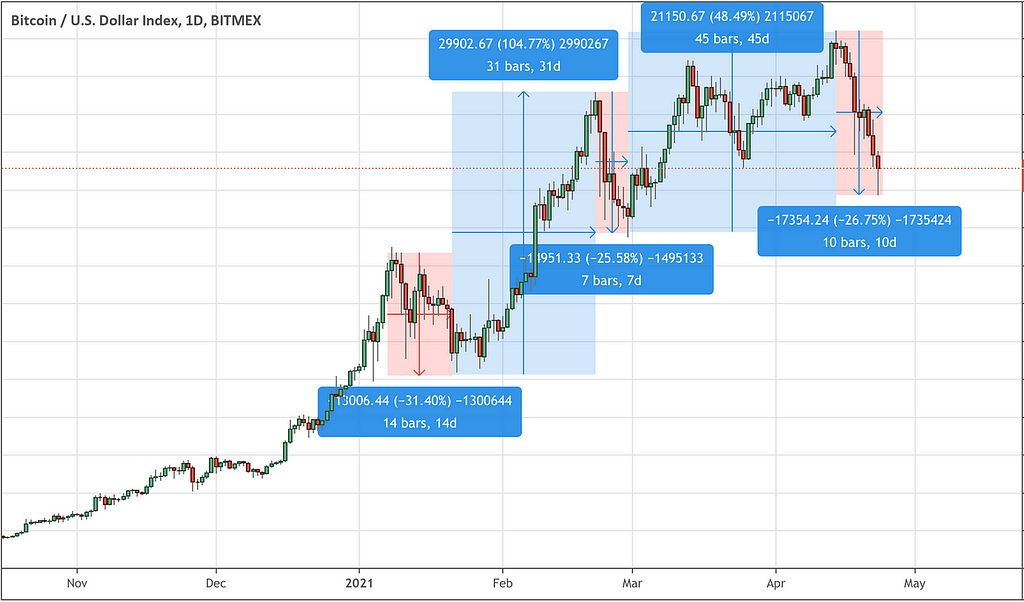
My eyes were slowly opened to a system that challenged the quiet control banks and governments have always held over our dollars. It felt backward that in our modern world, entire populations could be locked out of financial systems or have their access throttled by bureaucracy.
Crypto offered an alternative:
It suggested that control could be refactored into protocol, and that sovereignty could be encoded rather than granted.
Here was a system where your autonomy wasn’t contingent on geography, status, or gatekeepers.
I was fascinated with that core principle: individual sovereignty through technology. It wasn’t just about financial freedom. It made me rethink what it means to trust a system, and who gets to define the rules we all live by. It was the first time I felt like the system itself was designed to get out of the way.
I began building on Ethereum and Solana.
Documentation, particularly in the Solana ecosystem, was often fragmented and outdated. Debugging was hell. I’d be absorbed in some weird edge case, digging through barely-maintained GitHub repos for answers.
Somewhere in that mess, I started experimenting with AI for the first time. I wanted help debugging, optimizing, filling in the gaps that the docs forgot.
The more I used it, the more I realized this wasn’t just a tool. It was a different way of thinking. Instead of combing forums or piecing together a web of unformed tutorials, I was now interfacing with a system that could reason through problems alongside me.
And even when it was wrong, which it often was, it still pushed my thinking forward.
AI wasn’t bound by the same heuristics I was.
It didn’t fatigue, didn’t rely on intuition, didn’t shortcut through vague memories of a similar bug from six months ago.
And then, I started to notice how often my reasoning was shaped by habit. AI confronted me: it created friction in the places where I was too comfortable.
Over time, my view of AI changed. It stopped being just a tool and became an integral part of my thinking process, reshaping and improving how I plan and build. Not a replacement (at least not yet), but a companion: one that forced clarity where I preferred ambiguity, and asked for structure where I leaned on instinct.
This wasn’t about outsourcing thought; rather, it demanded more of it.
In the same way that writing clarifies thought, prompting and refining AI output forces a confrontation with the fuzziness of your intent and the contradictions in your reasoning.
It compels precision, not passivity.
And that’s where crypto and AI, seemingly divergent in ethos and architecture, began to intersect in my mind.
Crypto is about immutability, AI is about malleability.
Crypto decentralizes trust, AI decentralizes knowledge.
Beneath the contrasts lies a shared disruptive force.
Both are, in their own ways, undermining the traditional custodians of authority, be they banks, governments, or even our own internal biases.